What are dental implants?
How implants replace a missing tooth root and support crowns, bridges, or dentures.
Medically reviewed by Dr. Broneil Ishaya, DDS (CA license #105491) · Oct 2026 · Written by the Turlock Dental Studio team
Quick answer: A dental implant is a small titanium or similar post placed in the jawbone to replace a tooth root. After the bone heals around it, it anchors a crown, bridge or denture. Implants can restore chewing and help keep bone from shrinking, but they require surgery and carry risks like any procedure.
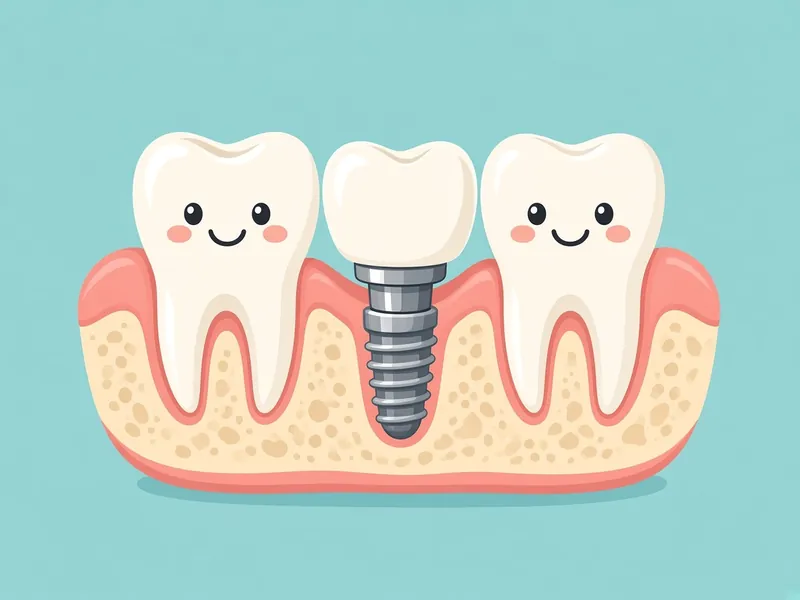
A dental implant is a small post, usually made of titanium or other biocompatible material, that is surgically placed in the jawbone where a tooth root used to be. Once the bone heals around it, the implant acts as an anchor for a replacement tooth or teeth.
What are the parts of a dental implant?
- Implant body – the post placed in the jawbone in place of the root.
- Abutment – a connector that extends through the gum.
- Restoration – the crown, bridge, or denture you see and chew with.
Why do people choose implants?
According to the FDA, potential benefits include restoring the ability to chew and appearance, helping keep the jawbone from shrinking, and helping keep nearby teeth stable. The ADA notes implants don't require reshaping neighboring healthy teeth the way a traditional bridge does.
What are the risks?
Like any surgery, implant surgery carries risks, including infection, injury to nearby teeth or blood vessels, nerve injury that can cause numbness or tingling, sinus problems for upper-jaw implants, and implant failure. Your dentist can explain your individual risks.
Key facts
- Replaces the root of a missing tooth
- Supports a crown, bridge or denture
- Requires surgery and healing time
- Risks include infection, nerve injury and implant failure
Sources
Have questions only an exam can answer?
Book a consultation